Moving to Pensacola, Florida? Here’s What You Need to Know Before You Do

Moving to Pensacola, Florida? Here’s What You Need to Know Before You Do
Thinking about moving to Pensacola?
You’re not alone. I talk to buyers every week who are relocating here—and most of them are asking the same questions.
So here’s the real breakdown. Just what you actually need to know.
What It’s Like to Live in Pensacola
Pensacola has a slower pace—but definitely not in a boring way.
You’ve got:
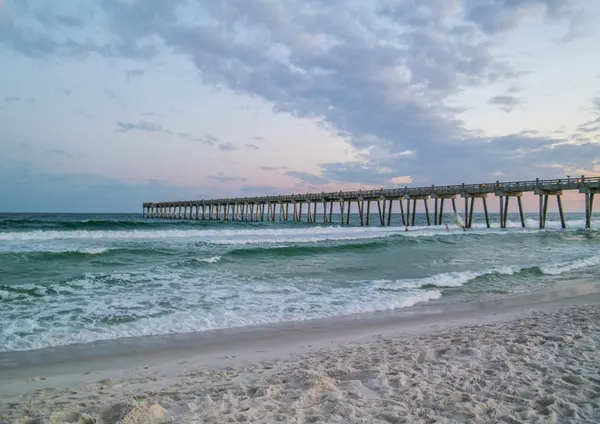
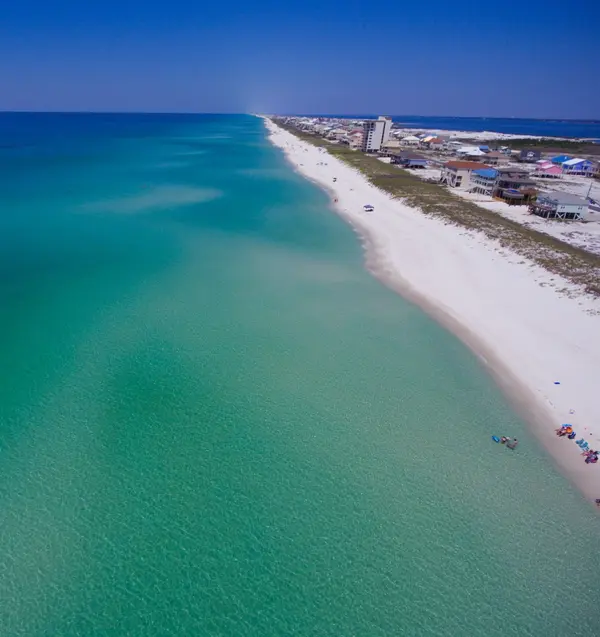
- White sand beaches that are actually usable year-round
- A historic downtown that feels lived-in, not manufactured
- A mix of military, locals, and transplants (which keeps things interesting)
It’s not trying to be Miami. And that’s exactly why people love it.
Cost of Living in Pensacola
Compared to most coastal cities, Pensacola is still relatively affordable.
But here’s the honest take:
- Prices have gone up (like everywhere)
- Insurance matters more here than people expect
- Property taxes are reasonable compared to many states.
- We don't pay state income taxes in Floria
If you’re coming from somewhere like California or the Northeast, it’ll feel like a relief.
If you’re local—it may feel like a shift.
🏡 Best Areas to Live (Quick Breakdown)
Areas to Consider in Pensacola
Where you choose to live will depend on your priorities—proximity to downtown, access to the water, newer construction, or lot size.
East Hill
Established neighborhood with a mix of renovated homes and new construction. Close to downtown Pensacola with a higher price point and consistent demand.
Gulf Breeze
Located between Pensacola and the beach, offering convenient access to both. A range of home styles and price points depending on location.
Pensacola Beach
Primarily condos, townhomes, and beach houses with direct access to the Gulf and bay. Limited inventory and pricing influenced by waterfront location and vacation demand.
Navy Point
Located along Bayou Grande with water access, parks, and a paved walking trail along the shoreline. A mix of original homes and updated properties with generally more moderate price points compared to some other waterfront-adjacent areas.
Country Club Area
Close to downtown and near the Pensacola Country Club. This area offers a mix of historic homes, newer builds, and proximity to the bay. Pricing and home styles vary depending on exact location.
Pace / Milton
Areas with more available land and a higher concentration of newer construction. Often offers more square footage for the price compared to in-town locations.
Downtown Pensacola
Primarily historic homes, condos and townhomes with close proximity to restaurants, shops, and waterfront areas.
There isn’t a one-size-fits-all answer—each area offers something different depending on what you’re looking for in a home and location.
🌊 Things People Don’t Think About (But Should)
This is where most relocation guides fall short.
- Flood zones matter (and affect insurance)
- Wind mitigation and roof age are a big deal
- Some areas are still developing—others are fully established
This is where working with a reliable Pensacola real estate advisor actually matters.
📦 Steps to Buy a Home in Florida (Simplified)
If you’re relocating, here’s the basic flow:
- Get pre-approved (Florida insurance impacts affordability)
- Narrow down areas (this is where most people need help)
- Start home search
- Make an offer
- Inspection + insurance review
- Close
Simple on paper. Seriously nuanced in reality.
📍 Final Thought
Pensacola is one of those places people move to… and stay.
If you’re even thinking about it, it’s worth exploring seriously.
If you want a breakdown of specific neighborhoods or homes that fit what you’re looking for, reach out. I’ll point you in the right direction without wasting your time.
Categories
Recent Posts